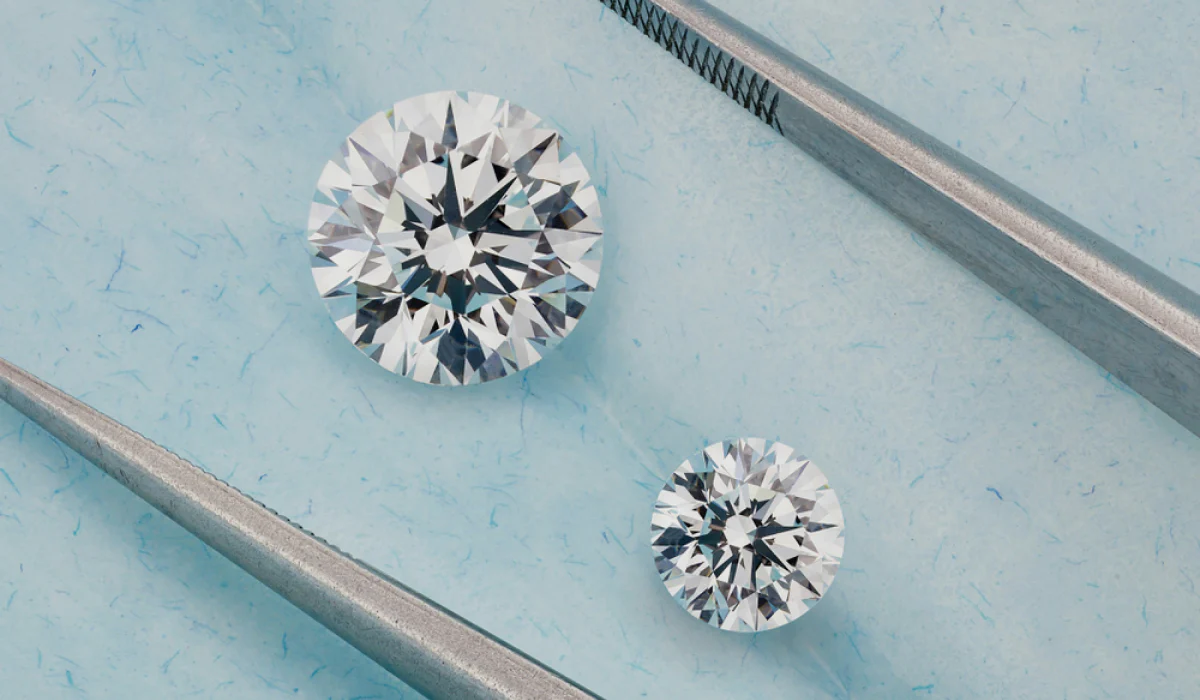

The global diamond industry is undergoing a quiet but profound transformationOnce dominated by traditional mining and legacy supply chains, the market is now being reshaped by innovation, sustainability concerns, and changing consumer valuesFew places illustrate this shift as clearly as lab grown diamond HK, where Hong Kong’s long-standing reputation as a global jewelry hub is converging with cutting-edge diamond technology.
At the same time, interest in lab-created diamonds is expanding across Europe and beyond, with regions such as Spain playing an increasingly important role in demand and distributionTogether, these trends reveal how lab-grown diamonds are redefining what luxury, value, and responsibility mean in the modern era.
Table of Contents
Understanding Lab-Grown Diamonds
Lab-grown diamonds, also known as synthetic or man-made diamonds, are real diamonds created in controlled laboratory environments rather than extracted from the earthChemically, physically, and optically, they are identical to mined diamondsThe difference lies in their origin.
Using advanced methods such as High Pressure High Temperature (HPHT) and Chemical Vapor Deposition (CVD), scientists replicate the natural diamond-growing processWhat once took billions of years underground can now be achieved in weeks, without the extensive environmental disruption associated with traditional mining.
This technological leap has opened doors for global trade centers like Hong Kong to position themselves as leaders in ethical diamond sourcing and innovation.
Why Hong Kong Is Central to the Lab-Grown Diamond Trade
Hong Kong has long served as a bridge between East and West in the jewelry and gemstone tradeWith its strategic location, transparent regulatory framework, and well-developed logistics infrastructure, the city is uniquely positioned to thrive in the lab-grown diamond sector.
The rise of lab grown diamond HK is not accidentalHong Kong’s jewelry market has always been highly adaptive, quick to embrace innovation and respond to shifts in global demandAs consumers increasingly seek sustainable and traceable alternatives to mined stones, local traders and manufacturers have expanded their offerings to include lab-created diamonds of exceptional quality.
In addition, Hong Kong’s role as a re-export hub means that diamonds traded there often find their way to markets across Europe, the Middle East, and Asia, supporting global availability and competitive pricing.
Sustainability and Ethics: A Key Driver of Demand
One of the most compelling reasons behind the rise of lab-grown diamonds is sustainabilityTraditional diamond mining can involve significant land disruption, high energy use, and complex ethical concerns tied to labor practices and conflict financing.
Lab-grown diamonds offer a clear alternativeTheir production generally requires less land, fewer natural resources, and provides a transparent supply chainFor environmentally conscious buyers, this matters.
This shift in values is particularly visible in EuropeDemand for lab grown diamonds Spain has increased as consumers become more aware of sustainability issues and seek luxury products that align with their personal ethicsSpanish buyers, especially younger generations, are increasingly drawn to diamonds that offer both beauty and peace of mind.
The Growing Connection Between Hong Kong and European Markets
While Hong Kong excels in production, trading, and distribution, European countries such as Spain are becoming influential consumption marketsJewelry designers and retailers in Spain are incorporating lab-grown diamonds into engagement rings, fine jewelry collections, and bespoke designs.
The relationship is mutually beneficialHong Kong suppliers provide access to a wide variety of certified lab-grown stones, while European markets contribute refined design sensibilities and growing consumer demandThis dynamic has helped normalize lab-grown diamonds as a mainstream choice rather than a niche alternative.
As a result, lab grown diamonds Spain are no longer viewed as experimental or secondary optionsThey are increasingly positioned as smart, modern choices that balance luxury, affordability, and ethics.
Quality, Certification, and Consumer Confidence
One lingering misconception about lab-grown diamonds is that they are somehow inferior to mined stonesIn reality, many lab-grown diamonds meet or exceed the quality standards of natural diamonds, often achieving excellent grades in cut, clarity, and color.
Reputable gemological institutes, including the GIA and IGI, grade lab-grown diamonds using the same criteria as mined diamondsThis transparency has significantly boosted consumer confidence, both in Hong Kong and abroad.
For buyers in Spain and other European markets, certification plays a key roleThe availability of clearly graded stones has made it easier for consumers to compare options, understand value, and make informed purchasing decisionsThis clarity has further accelerated interest in lab grown diamonds Spain, particularly in bridal jewelry.
Pricing and Accessibility: Redefining Luxury
Another major advantage of lab-grown diamonds is costOn average, they are priced 30–50% lower than comparable mined diamondsThis pricing difference allows consumers to choose larger or higher-quality stones without exceeding their budget.
In Hong Kong, competitive trading environments help keep prices transparent and market-drivenFor European importers and retailers, this means better margins and more flexibility in product offerings.
From a consumer perspective, lab-grown diamonds make fine jewelry more accessibleEngagement rings, anniversary pieces, and custom designs become attainable without compromising on appearance or durability.
Cultural Shifts and Changing Perceptions
Luxury is no longer defined solely by rarityToday’s consumers value story, impact, and intentionLab-grown diamonds fit naturally into this evolving narrative.
In Spain, where design, craftsmanship, and cultural meaning are highly valued, lab-grown diamonds are being embraced as symbols of thoughtful consumptionThey represent progress without sacrificing tradition.
Meanwhile, lab grown diamond HK continues to influence global perception by setting high standards for quality control, innovation, and trade ethicsTogether, these markets are reshaping how diamonds are perceived worldwide.
Conclusion: A Future Shaped by Innovation and Responsibility
The rise of lab-grown diamonds marks one of the most significant shifts the jewelry industry has seen in decadesFrom the advanced trading ecosystem of lab grown diamond HK to the growing consumer enthusiasm for lab grown diamonds Spain, the trend reflects deeper changes in values, technology, and global commerce.
As sustainability, transparency, and accessibility become central to purchasing decisions, lab-grown diamonds are no longer just an alternative—they are a defining feature of modern luxuryWith continued innovation and cross-border collaboration, their role in the global diamond market is set to expand even further, offering consumers beauty with a conscience and brilliance without compromise.